
WORKSHOP SERVICE NETWORKS INFRASTRUCTURE
Workshop Networks Don’t Break
at One Location.
They Break Between Locations.
As networks grow, operations do not fail inside workshops- they fail across processes, visibility, and coordination between them. Scale doesn’t create strength. It creates fragmentation—unless the network is designed to operate as one system.
Why Workshop Networks Struggle to Scale Consistently
Running one workshop is operational.
Running many workshops is organizational.
As networks expand, most workshop groups inherit fragmentation. What looks like scale on paper often creates complexity in practice.
Network leaders struggle to answer basic questions:
Common Challenges Faced by Workshop Networks
Structural challenges that emerge as workshop operations scale across locations
Inconsistent Operations Across Locations
Each workshop evolves independently—creating variation in job execution, billing practices, inspection quality, and service timelines.
Limited Network-Level Visibility
Data lives at individual locations. Consolidated insights require manual effort, delayed reporting, or incomplete information.
Insurance & Fleet Complexity
Workshop networks often work with insurers and fleet operators—but without standardized processes, claims approvals slow down and partnerships become difficult to scale.
Cost Variability
Labor efficiency, parts sourcing, and inventory practices differ by location, making cost control difficult at network scale.
Slow Expansion & Franchise Onboarding
Without a standardized operating framework, adding new locations becomes time-consuming and risky.
How Leading Workshop Networks Are Evolving
The shift from fragmented locations to unified, network-driven operations
From managing locations to operating a network
High-performing workshop networks are moving away from location-centric management toward network-centric operations.
This evolution is less about adding tools and more about establishing a shared operating model across the network.
This shift is not about adopting another tool. It's about redefining how the network operates as a whole.
What Unified Workshop Network Operations Require
The foundational capabilities behind scalable, multi-location workshop networks
Standardized Job Execution
Every workshop follows the same service workflow—from intake to delivery—ensuring consistent quality and predictable timelines.
Network-Wide Visibility
Leadership gains real-time visibility into performance, turnaround times, and compliance across all locations.
Integrated Insurance & Fleet Workflows
Claims and fleet jobs follow consistent, network-level processes—improving partner trust and operational scalability.
Centralized Parts & Inventory Control
Procurement, pricing, and inventory decisions benefit from network-wide coordination rather than isolated locations.
Operational Intelligence
Data is used not only for reporting—but to continuously identify inefficiencies and optimize network performance.
Key Operational Areas for Workshop Service Networks
Large workshop networks don't struggle in one place — they struggle across multiple operational
areas.
RAMP supports networks by addressing these areas through purpose-built solutions.
Insurance & Claims Handling
For Insurance-Enabled Workshops
Insurance workflows introduce inspections, approvals, compliance, and documentation — all of which must scale consistently.
Fleet Service Enablement
For Networks Serving Corporate & Fleet Clients
Fleet operators expect predictable service, SLAs, centralized billing, and network-wide visibility.
Parts, Vendors & Cost Control
For Procurement & Operations Teams
As networks grow, parts sourcing, pricing, and inventory control become major cost drivers.
Customer Experience & Transparency
For Vehicle Owners, Drivers & Policyholders
Deliver consistent digital service updates and repair visibility across every location.
Each area solves a specific network challenge. Together, they enable a unified, scalable workshop ecosystem.
What Unified Workshop Networks Achieve
Operational outcomes observed across mature, multi-location workshop networks
Faster, More Predictable Repair Cycles
Turnaround becomes consistent and easier to plan across locations.
Reduced Operational Variance
Processes, quality, and timelines stabilize across the network.
Stronger Insurer & Fleet Partnerships
Standardized workflows improve trust and long-term collaboration.
Improved Cost Control & Margin Stability
Network-level visibility enables better cost governance.
Higher Franchise Confidence & Retention
Clear standards and visibility reduce uncertainty for operators.
Scalable Growth Without Operational Chaos
New locations onboard smoothly without disrupting the network.
These outcomes are not exceptional.
They reflect how mature workshop networks operate at scale.
Fragmented Networks vs Unified Networks
See the difference between managing workshop networks through fragmented, location-dependent processes—and operating with a unified, standardized network system.
| Area | Fragmented Network | Unified Network |
|---|---|---|
| Operations | Location-dependent | Standardized |
| Visibility | Partial & delayed | Real-time |
| Customer Experience | Inconsistent | Predictable |
| Insurance Handling | Manual & slow | Structured |
| Cost Control | Variable | Governed |
| Expansion | Slow & risky | Repeatable |
Unified networks don't work harder—they work systematically.
How RAMP Supports Workshop Network Unification
RAMP is designed to support workshop networks as ecosystems, not as disconnected locations.
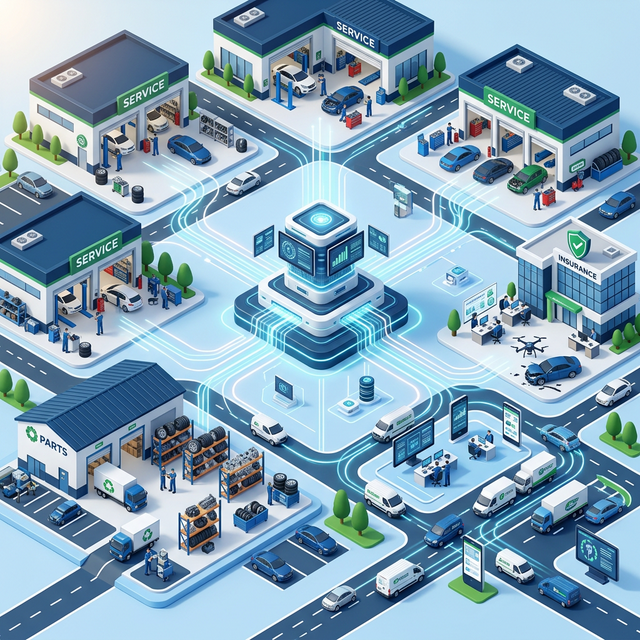
It helps networks:
- Define and enforce shared operational standards
- Connect workshops with insurers, fleets, and vendors
- Gain network-level visibility and performance insight
- Scale operations without adding complexity
Planning the Next Phase of Your Workshop Network
Assess Network Maturity
Understand where fragmentation exists and where scalability is constrained.
Visualize a Unified Operating Model
See how leading workshop networks structure operations across locations.
Define a Phased Roadmap
Standardize core workflows first — then scale with confidence.
Frequently Asked Questions
Common questions about workshop network operations and unification
What defines a workshop network?
A workshop network is a group of service locations operating under shared ownership, franchise, or management. Unlike standalone workshops, networks require coordinated standards, shared visibility, and centralized governance to operate consistently at scale.
Why do workshop networks struggle as they scale?
As networks grow, processes, systems, and operating standards often evolve independently at each location. This creates fragmentation in quality, timelines, reporting, and partner coordination—making consistent performance difficult to sustain.
Is standardization possible across different workshop formats?
Yes. Mature workshop networks standardize core workflows such as job execution, approvals, and reporting, while allowing local teams flexibility in execution. This balance enables consistency without restricting operational autonomy.
How important is network-level visibility?
Network-level visibility is essential for identifying performance gaps, cost variance, and compliance issues across locations. Without it, leadership decisions rely on delayed or incomplete information, limiting optimization and scalability.
Can existing systems be integrated?
Most workshop networks evolve through integration rather than full system replacement. Modern ecosystems connect existing tools across workshops, insurers, fleets, and vendors—creating continuity while minimizing disruption.
Ready to Scale Your Network?
Standardize operations, gain real-time visibility, and deliver a consistent brand experience across every location.
Explore the RAMP Network Solutions Today
One Network. One Platform. One Way of Scaling.