
ELV RECYCLING & SUSTAINABILITY
Recycling Is Not Scrap Management. It's a Sustainability Ecosystem.
End-of-life vehicles now impact compliance, profitability, insurance settlements, and ESG reporting. RAMP provides the digital orchestration required to connect workshops, insurers, and RVSFs into a single, profit-driven recycling ecosystem.
Why Vehicle Recycling Has Become a Board-Level Topic
Vehicle recycling now sits at the intersection of regulation, economics, and sustainability. What was once a back-end operation is now a front-line compliance and governance function.
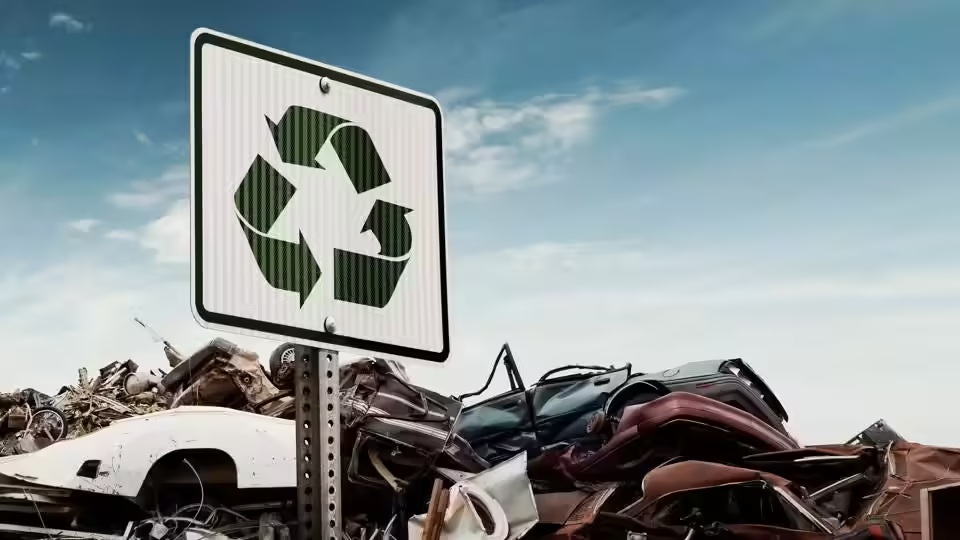
Vehicle recycling decisions now influence compliance posture, financial outcomes, and sustainability credibility.
The Fragmentation Problem Holding Recycling Back
Despite regulatory frameworks and stated intent, most end-of-life vehicle operations still function as disconnected actors.
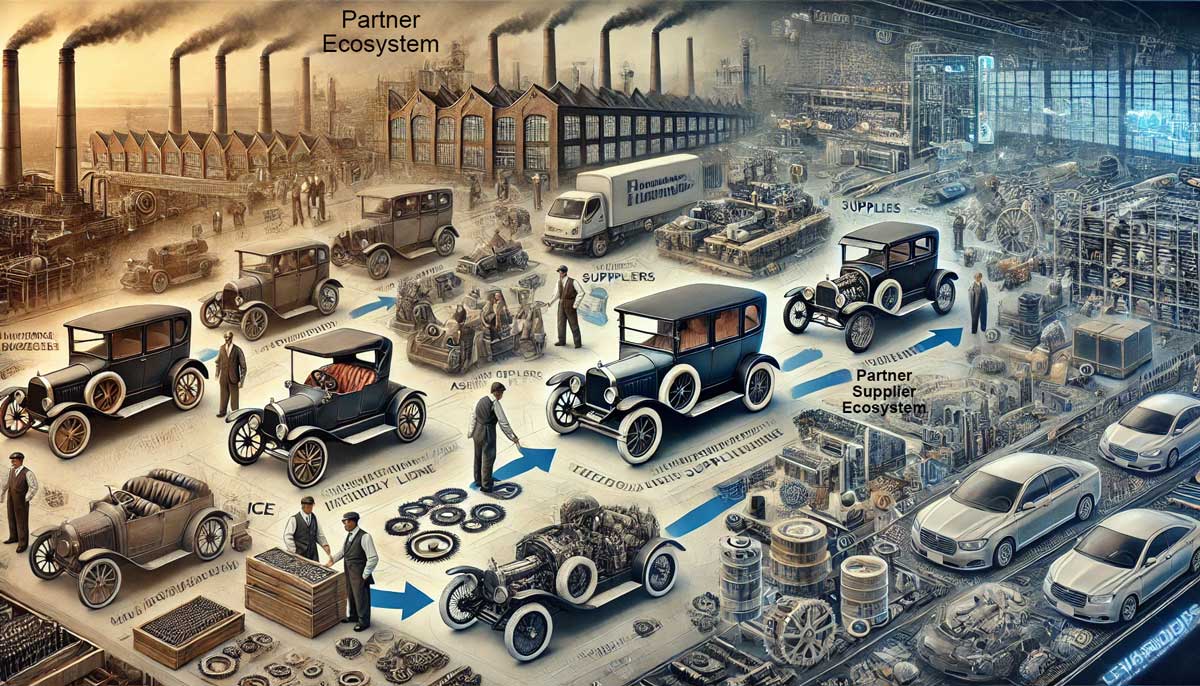
Common industry realities:
- Workshops route total-loss vehicles through informal channels
- RVSFs operate in silos, competing rather than coordinating
- Reusable components are frequently scrapped instead of recovered
- EPR compliance relies on manual reporting and audits
- Sustainability impact is asserted, not verifiably measured
- Insurance and recyclers interact transactionally, not systemically
Lost economic value, elevated compliance risk, weak ESG credibility, and limited scalability.
Key Industry Challenges (CXO Lens)
Systemic challenges limiting scalability, compliance, and value realization in ELV ecosystems
Vehicle Sourcing Is Unpredictable
RVSFs face capacity volatility due to informal sourcing and limited coordination with workshops and insurers.
Parts Recovery Is Sub-Optimal
A significant share of reusable components never enter structured recovery or reuse channels.
Compliance Is Reactive
EPR reporting, certificates, and audits are handled as paperwork rather than integrated operational workflows.
Sustainability Is Not Measured
Carbon impact, material recovery, and environmental benefit are rarely quantified or linked to outcomes.
Ecosystem Trust Is Weak
Insurers, workshops, and recyclers lack shared visibility, accountability, and data alignment.
From Isolated RVSFs to Integrated ELV Ecosystems
Leading recycling networks are moving away from facility-centric thinking toward ecosystem-centric ELV operations.

This shift enables:
- Coordinated vehicle sourcing across stakeholders
- Structured parts recovery and reuse pathways
- Continuous compliance readiness, not audit cycles
- Verifiable sustainability and carbon outcomes
- Stronger, long-term insurance and OEM partnerships
This is not a technology upgrade. It is an operating model transformation.
Core Capabilities of Scalable Recycling Ecosystems
These are industry requirements — not features or tools.
Systematic Vehicle Procurement
Vehicles flow from workshops, insurers, and auctions through transparent, traceable sourcing channels.
Structured Parts Recovery & Circular Reuse
Components are assessed, classified, and routed for reuse before entering scrap processes.
Digital EPR & Regulatory Traceability
Every vehicle maintains a complete, auditable lifecycle record from intake to final disposal.
Measurable Sustainability & ESG
Environmental impact is calculated, verified, and reported with consistency and credibility.
Integrated Stakeholder Network
Workshops, insurers, RVSFs, recyclers, and buyers operate with shared visibility and accountability.
Key Operational Areas Within the Recycling Ecosystem
Different challenges require focused approaches — without fragmenting the ecosystem.
This structure allows focused progress without breaking ecosystem alignment.
What Unified ELV Ecosystems Achieve
Higher RVSF Capacity Utilization
Improved Parts Recovery Rates
Reduced Compliance Risk and Audit Stress
Verifiable ESG and Sustainability Reporting
Faster Insurance Total-Loss Settlements
Stronger, Defensible Ecosystem Partnerships
These are strategic outcomes, not software metrics.
Before vs After
| Dimension | Fragmented Model | Unified Ecosystem |
|---|---|---|
| Vehicle sourcing | Informal | Systematic |
| Parts recovery | Low reuse | Circular recovery |
| Compliance | Manual | Continuous |
| ESG credibility | Narrative-based | Data-backed |
| Insurance relationships | Transactional | Strategic |
| Scalability | Limited | Network-driven |
Unified ecosystems don't optimize individual activities — they redesign how the system operates.
How RAMP Supports Recycling Ecosystems
RAMP enables coordination across the ELV lifecycle — connecting workshops, insurers, recyclers, and sustainability stakeholders.
We focus on:
- Ecosystem visibility
- Operational governance
- Regulatory confidence
- Sustainability accountability
We don't digitize facilities.
We enable ecosystems.
Where Recycling Leaders Start
Modern ELV ecosystems are not built in one step.
They are planned deliberately, with clarity on risk, readiness, and priorities.
A Practical Starting Point
Assess Ecosystem Fragmentation
Identify where value leakage, sourcing gaps, and coordination breakdowns exist across the recycling ecosystem.
Evaluate Compliance & Sustainability Readiness
Understand regulatory exposure, EPR maturity, and ESG reporting gaps across operations.
Define a Phased Ecosystem Roadmap
Prioritize foundational capabilities first, then scale ecosystem-wide with confidence.
Frequently Asked Questions
Common questions about vehicle recycling ecosystems and ELV operations
What is an ELV ecosystem?
An integrated operating model connecting workshops, insurers, recyclers, and buyers across the vehicle lifecycle.
Why is integration critical for RVSFs?
Because sourcing, compliance, recovery, and sustainability outcomes depend on coordination — not isolation.
How does this help with EPR compliance?
By embedding compliance into operational workflows rather than post-fact reporting.
Can sustainability actually create value?
Yes. When measured and verified, sustainability supports ESG reporting, partnerships, and carbon monetization.
Is this relevant for both single and multi-RVSF networks?
Yes. Ecosystem models scale from individual RVSFs to national recycling networks.
Ready to Lead the Recycling Ecosystem?
Connect workshops, insurers, and RVSFs into a single, profit-driven recycling network that scales with compliance and sustainability.
Explore the RAMP Recycling Infrastructure Today
One Ecosystem. One Network. One Way of Recycling.